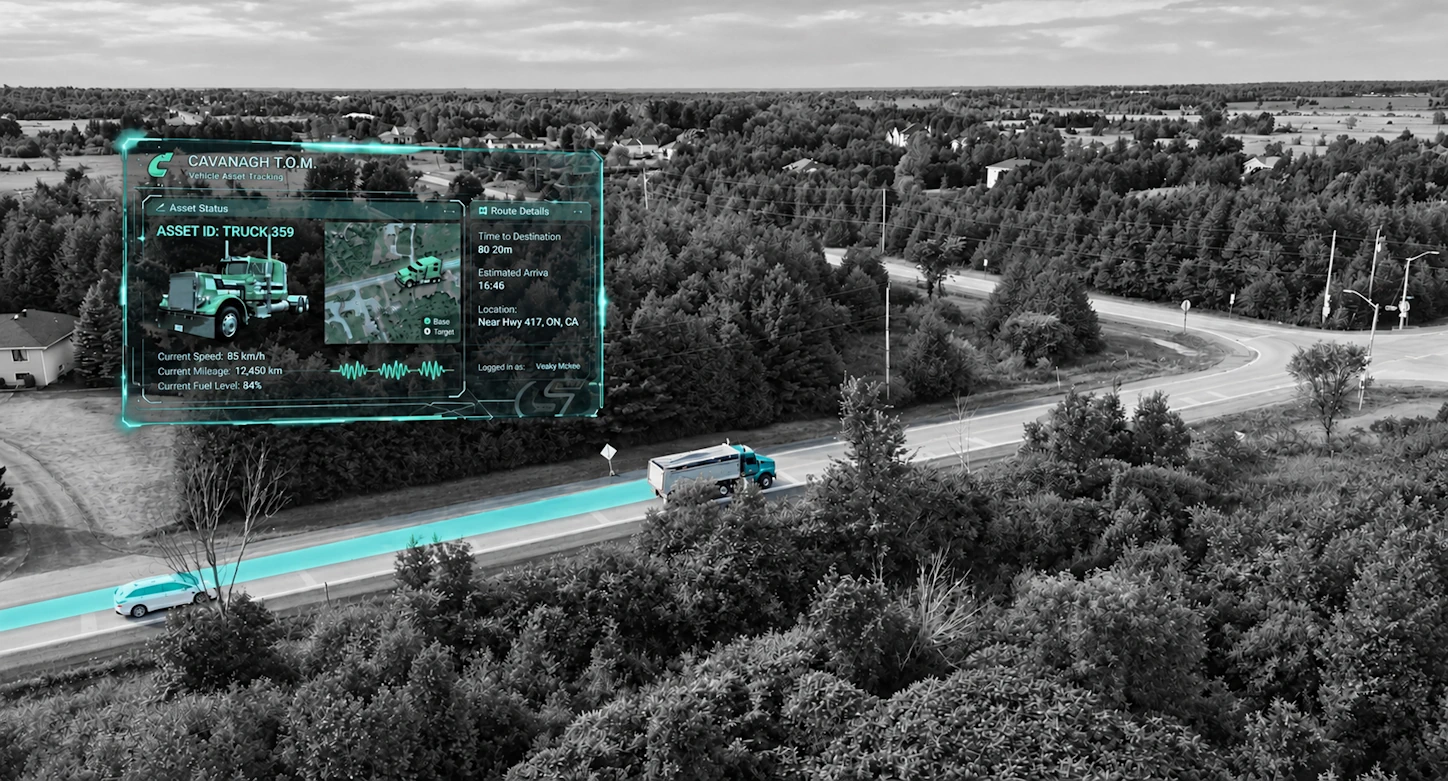
At the end of a long day, a construction foreman spends another 30 to 60 minutes sitting in their truck completing paper timecards and other jobsite paperwork on behalf of their crew. The foreman then drives the timecards from the field to the office, where a handful of administrators and payroll staff later review and enter them into the company’s pay system.
It’s a familiar process that plays out on jobsites everywhere. But why is a highly skilled construction professional filling out and transporting pieces of paper? The foreman was hired for a skilled trade and the judgment that comes with it: coordinating crews, planning work, solving problems in the field. Paperwork takes them away from all of it.
Is there a better way? One where the timecard makes the trip to the office by itself? It’s possible with Palantir Foundry.
Paper timecards aren’t as simple as they appear
Sarah Cavanagh, an Engagement Manager with Cavtera, saw firsthand how the apparent simplicity of paper disguised an extensive and inefficient administrative chain.
At Thomas Cavanagh Construction, around 600 employees were creating paper timecards every day. In some cases, foremen filled out the timecards for their crews. In others, each employee submitted their own individual timecard. Either way, it resulted in thousands of pieces of paper coming into the office every week.
A study of the company’s truck driver timecards found that a single timecard passed through seven or eight hands before the employee finally got paid. That introduced a lot of risk, including:
- Lack of visibility into pay status. “The person being paid has no idea if the timecard actually got into the office until they see their paycheque at the end of the week or two-week cycle,” says Cavanagh.
- Human error. When the information on a paper timecard has to be manually entered into a computer by back-office staff, this can lead to transcription mistakes when deciphering handwriting, accidental data duplications or omissions, and other errors.
- Inaccessible records. The company’s timecards were stored in boxes in the office basement. If HR staff needed to find a lost or missing timecard, or wanted to analyze labour data from those timecards, several people had to search through the boxes manually to find the right cards.
- Wasted time and money. Consider the fuel and time required to drive the timecards back to the office from jobsites, on top of the labour costs of having somebody dedicated to entering timecard data into a computer.
It’s not just an inefficient process. It has a real impact on a construction company’s ability to pay its people accurately and on time.
How Palantir Foundry makes the payroll process better
Palantir Foundry brings together all the core functions of a construction company — including time tracking — into one unified operating system. Here’s how the process works for Thomas Cavanagh Construction after building its digital timecard workflow in Foundry:
- Each employee enters and submits their own time using an app on their phone before they leave the jobsite.
- Using the app, the foreman quickly reviews the crew’s timecards for accuracy, rather than creating or re-entering all the data.
- As soon as the employee hits submit in the app, the timecard information is available to everyone in the process, including the administrative and payroll teams.
Now, a timecard passes through every stage of the approval chain without anyone having to physically touch it.
“There’s no longer an actual physical foreman driving to the office to deliver paper timecards,” says Cavanagh. “They’re able to stay on the job and keep track of what’s going on, and the timecard literally drives itself through the system all the way from the hands of the employee to the payroll person on the other end.”
The benefits of digital timecards for construction companies
When Foundry powers the timecard and payroll process, it brings a number of clear benefits to construction companies:
- Skilled people stop spending their time on low-value work that technology handles better, a direct answer to the industry’s long-standing productivity challenge.
- The system is built around the needs of the field first, rather than requiring people on the jobsite to adapt to tools designed for the back office.
- Employees get more visibility into the status of their timecards and where they are in the payroll process, leading to greater confidence and trust in the company.
- Data is unified within a single system. Office staff can access real-time data on labour costs and answer payroll questions without sifting through stacks of paper. Rather than being merely archived, the data is now accessible in a form the company can actually use.
The keys to a successful digital transition
Cavanagh acknowledges that the transition to digital timecards had its challenges. Across the construction industry, many field workers are have spent their entire careers on paper-based processes and are not necessarily comfortable with new technology. As such, it was important to meet those employees where they were. That meant going to jobsites, listening to concerns and helping people through any practical barriers they encountered, like username and password issues.
“Everyone’s very comfortable with paper, obviously. That’s what they know,” says Cavanagh. “But eventually, people started seeing the benefits of a digital timecard. They realized it was making their lives easier. They definitely appreciate the fact that they no longer have to fill out a piece of paper anymore.”
In the end, she says a successful adoption depends on trust. The transition will succeed only if people feel supported and see real benefits from the technology.
A workflow built for the realities of the field
A digital timecard should do more than just replace a paper form with a screen. The real opportunity lies in creating a connected workflow that provides greater visibility for employees, returns valuable time to foremen and turns previously hard-to-access labour records into useful business data.
Because when the timecard drives itself from the jobsite to the office, construction professionals can stay focused on what they do best: building.
“Your people are your most important asset,” says Cavanagh. “The most important thing is to pay your employees what they deserve.”